Now Reading: Trishala Dutt Opens Up About Why Sanjay Dutt Couldn’t Remain in US During Her Mother’s Treatment
-
01
Trishala Dutt Opens Up About Why Sanjay Dutt Couldn’t Remain in US During Her Mother’s Treatment
Trishala Dutt Opens Up About Why Sanjay Dutt Couldn’t Remain in US During Her Mother’s Treatment

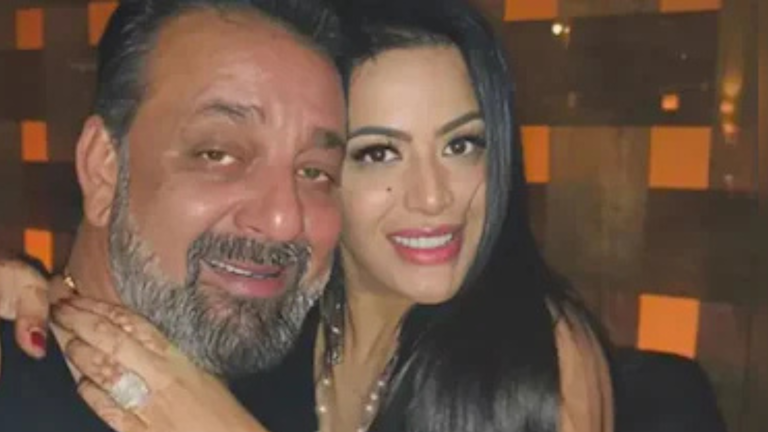
Trishala Dutt, daughter of Bollywood superstar Sanjay Dutt, has broken her silence on a painful chapter of family history, revealing the heartbreaking circumstances that prevented her father from remaining in the United States during her mother Richa Sharma’s cancer treatment. The emotional disclosure has shed light on a lesser-known aspect of the Dutt family’s struggles, offering insight into the complex legal and personal circumstances that kept father and daughter separated during one of their lives’ most devastating periods.
In a candid conversation that has resonated deeply with followers who have watched Trishala navigate public life while processing profound personal losses, she explained that Sanjay Dutt’s legal troubles in India made extended stays in the United States impossible during the critical period when Richa battled brain cancer. The actor’s involvement in cases related to illegal weapons possession connected to the 1993 Mumbai bombings meant he faced strict travel restrictions and legal obligations that confined him primarily to India, despite his desperate desire to support his ailing wife and young daughter overseas.
This revelation contextualizes a tragedy that has shaped Trishala’s entire life trajectory. Richa Sharma, Sanjay’s first wife, was diagnosed with a brain tumor shortly after Trishala’s birth and sought treatment in New York, where the family had initially settled. As her condition deteriorated, the cruel intersection of medical crisis and legal entanglements meant Sanjay could only make brief, sporadic visits rather than providing the consistent presence his wife and daughter desperately needed during their darkest hours.
Trishala, who was merely eight years old when her mother succumbed to cancer in 1996, spent formative years raised by her maternal grandparents in the United States while her father navigated India’s complex legal system and continued his Bollywood career. The geographical separation, compounded by emotional trauma and the impossibility of normal father-daughter bonding, created wounds that Trishala has openly acknowledged required years of therapy and self-reflection to process and understand without resentment.
Her willingness to share this painful history publicly serves multiple purposes beyond personal catharsis. It humanizes a family often discussed through tabloid sensationalism, offering nuanced understanding of how legal consequences ripple through generations and affect innocent family members who bear no responsibility for the actions that triggered them. It also provides context for Trishala’s relationship with her father, which despite geographical and emotional distance has evolved into mutual respect and understanding as both have matured and processed their shared trauma.
Mental health advocates have praised Trishala’s openness about seeking therapeutic support to navigate the complex emotions surrounding her mother’s death and her father’s absence during that critical period. Her candidness challenges stigmas around discussing family dysfunction publicly, particularly within South Asian communities where maintaining perfect facades often takes precedence over authentic healing.
As Trishala continues honoring her mother’s memory while building her own identity beyond her famous surname, her revelation offers profound insight into how families navigate impossible circumstances where love, duty, and legal constraints collide with devastating consequences.
Related Posts
Stay Informed With the Latest & Most Important News
Previous Post
Next Post







Advertisement