Now Reading: Devastating Earthquake Near Nepal Border Leaves Over 50 Dead in China
-
01
Devastating Earthquake Near Nepal Border Leaves Over 50 Dead in China
Devastating Earthquake Near Nepal Border Leaves Over 50 Dead in China

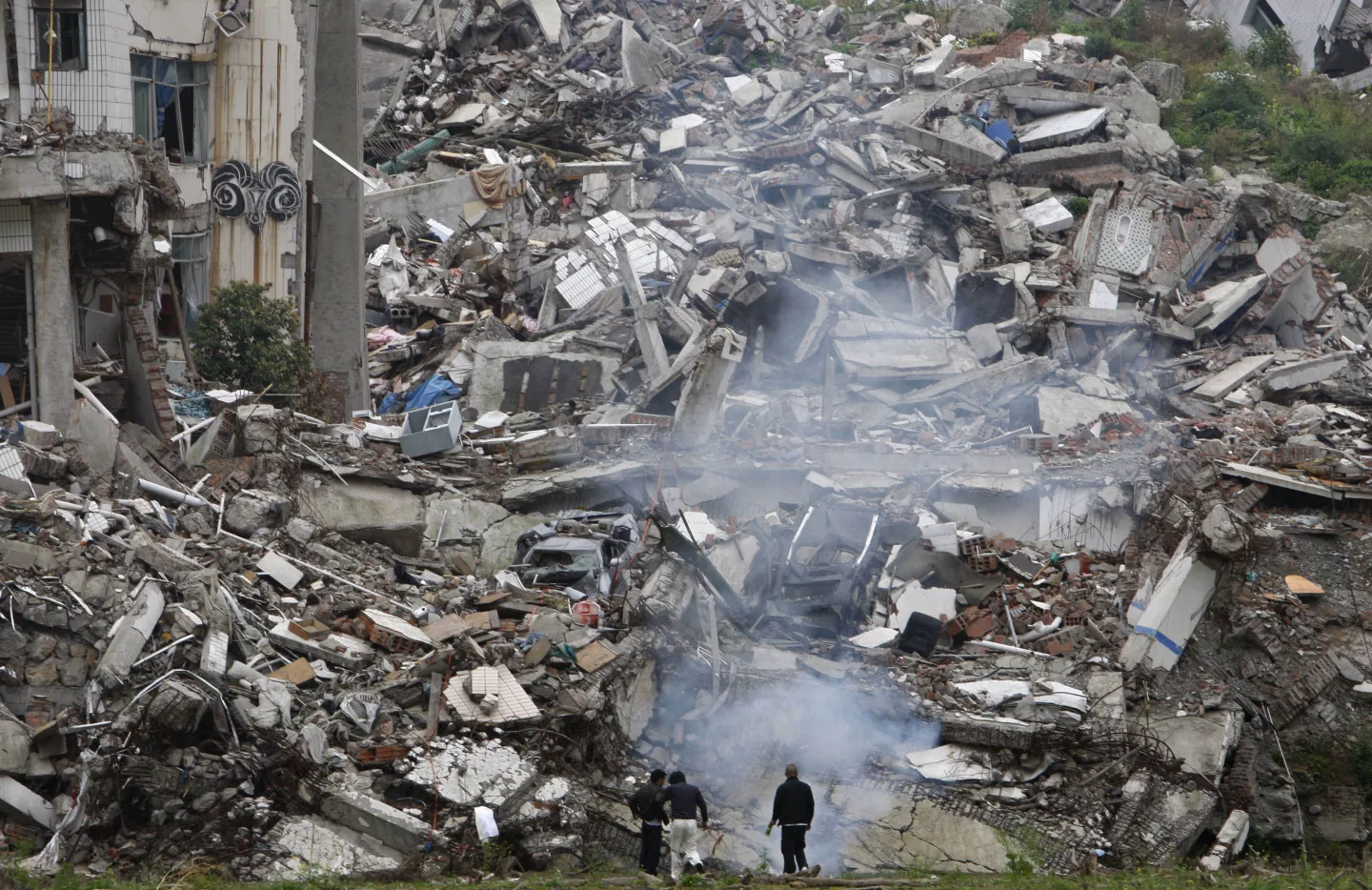
On Tuesday, January 7, 2025, a powerful 7.1-magnitude earthquake struck western China near the Nepal border, claiming over 50 lives and leaving a trail of destruction. The quake, one of the deadliest in recent years, caused buildings to collapse, roads to crack, and thousands to be displaced. Its shallow depth of approximately 10 kilometers amplified its impact, devastating communities in the region.
China has a history of severe earthquakes, with this event drawing comparisons to the catastrophic 2008 Sichuan earthquake, which claimed nearly 90,000 lives. Despite advancements in infrastructure and early warning systems, the recent quake underscores the vulnerability of regions situated along active fault lines.
Emergency response teams swiftly mobilized, conducting rescue operations and providing essential aid to survivors. The government has also deployed resources to monitor the risk of aftershocks, which continue to threaten the already fragile region.
This disaster highlights the pressing need for enhanced disaster preparedness in earthquake-prone areas. While significant progress has been made, the unpredictability of such events reinforces the importance of investing in resilient infrastructure and community awareness to mitigate the impact of future calamities.
Stay Informed With the Latest & Most Important News
Previous Post
Next Post











Advertisement